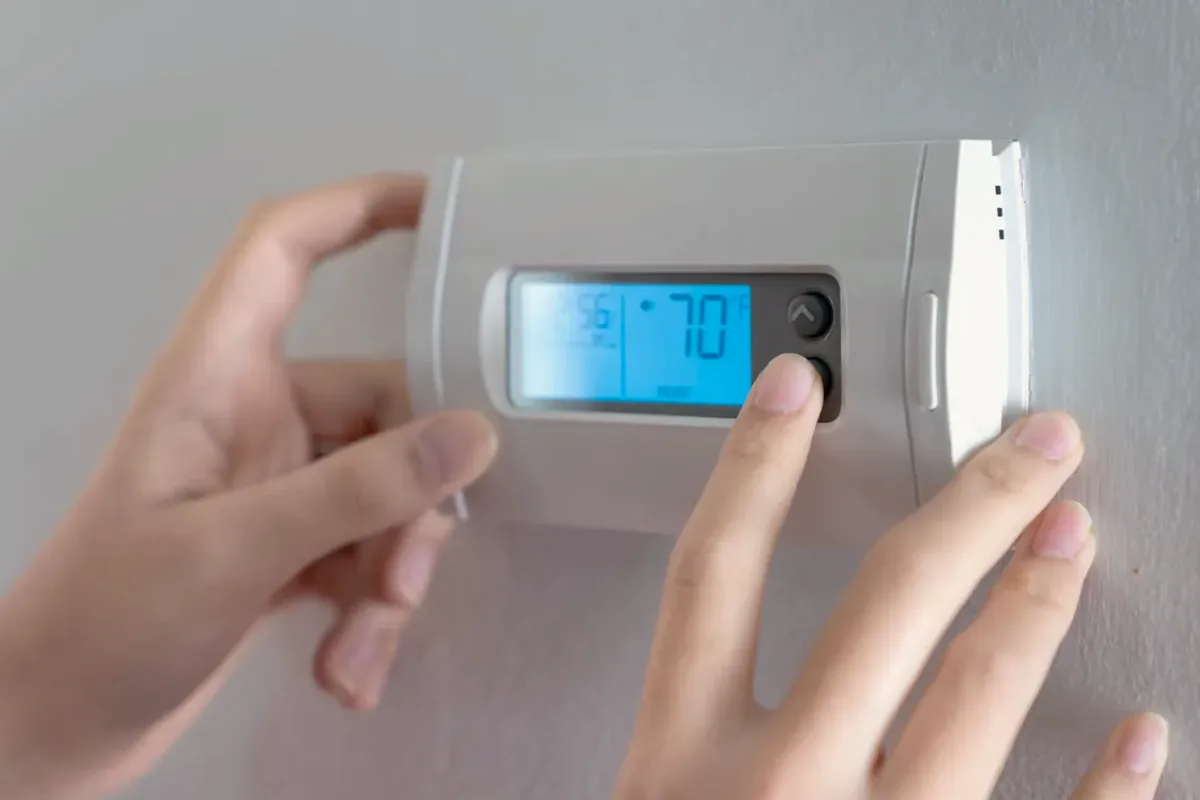
Request thermostat repair & replacement for a property in Ridgetown. Include the equipment, the problem or planned work, and your location so the request can be reviewed.
How can I determine whether a thermostat needs repair or is incompatible with my heating system?
A thermostat that does not hold the requested setting may be faulty, incorrectly configured, or reporting a problem elsewhere in the heating or cooling control chain. Compatibility depends on the existing equipment: a gas or propane furnace, an oil system, and a heat pump may require different terminals, staging, or control functions. Before replacing a thermostat, compare its wiring and settings with the equipment model and check how the system responds to a call. Smart features are useful only when the selected control supports the system.
Assessment compares the thermostat's display and call for heat or cooling with the equipment's response, wiring, configuration, and model requirements. If the control signals correctly, a furnace sensor, equipment control, or another system fault may explain the symptom. Replacement requires checking compatibility, including heat-pump staging or fuel-system controls where applicable. Internal electrical diagnosis should be handled by service personnel, not by occupants adjusting wires.
Thermostat controls for gas, propane, oil, and heat pumps
Control-chain diagnosis versus equipment sensor faults
Smart thermostat compatibility and replacement
Assessment and Scope
Questions for the Proposed Work
01
Trace the control call through the system
A blank display, inaccurate room reading, or missed call can point toward the thermostat, but equipment symptoms may have another cause. Diagnosis compares the requested mode and setting with the signals and response at the heating or cooling equipment. A furnace sensor or system control fault can mimic a thermostat problem. Recording when the issue occurs and whether the equipment starts helps avoid replacing a control that is not the source of the failure.
02
Check compatibility before choosing a replacement
Thermostat compatibility depends on equipment type, wiring, staging, and required control functions. Gas and propane furnaces, oil systems, and heat pumps do not necessarily use the same configuration. Some heat pumps require settings for auxiliary heat or multiple stages, while certain equipment uses model-specific controls. The equipment documentation and existing wiring identify relevant requirements. A smart or programmable model should be selected only after confirming that it can operate the installed system.
03
Choose repair or replacement for the actual fault
If testing identifies a loose or incorrect configuration that can be corrected, repair may be appropriate; if the thermostat itself has failed or cannot support the equipment, replacement is a separate option. A new furnace or heat pump can also change control compatibility, so verify the proposed thermostat against both the equipment and its intended functions. Schedules and smart features should reflect the household's control needs, not an assumed reduction in fuel use.
Compare the next step
Agree on device ownership, remote-account access, and who may change schedules before installing the control. Ask how existing occupant needs and equipment settings will be preserved. At handover, provide the authorized person with operating instructions and establish how future account or access changes will be managed. Record any owner-approved limits on account permissions and who receives equipment alerts. Confirm that ordinary local operation remains available to the occupant under the agreed arrangement.
Thermostat wiring is not universal. Do not connect wires by colour alone or work on energized wiring; a compatible control must be configured for the equipment it serves.