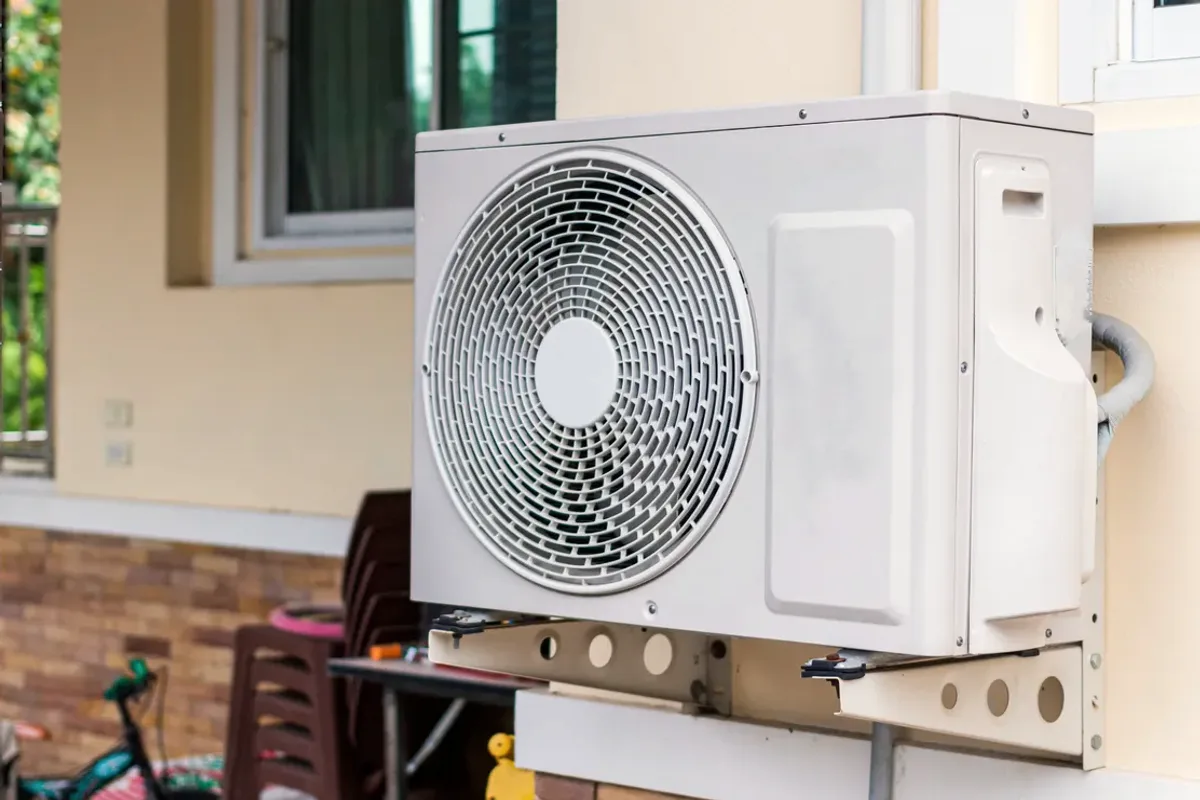
Request heat pump repair & installation for a property in Ridgetown. Include the equipment, the problem or planned work, and your location so the request can be reviewed.
What should be assessed before repairing a heat pump or replacing a fuel-fired furnace with one?
Heat-pump service can mean diagnosing an existing unit or evaluating a change from a gas, propane, or oil furnace. Those are different scopes: repair begins with the fault and equipment condition, while conversion planning examines the building's heating load, distribution system, electrical needs, and the role of any existing furnace. Model capacity and published operating conditions matter when considering winter heating. A compressor or refrigerant-circuit concern also calls for a different repair discussion than a control or airflow fault.
For a repair, assessment compares the thermostat demand with indoor and outdoor unit operation, controls, airflow, and relevant refrigerant-system findings. For a conversion, the property heat load, existing distribution, electrical requirements, and intended role of retained equipment shape the scope. Fuel type identifies the equipment being replaced, not the suitability of a heat pump. The model's specifications and inspection findings inform both decisions.
Heat-pump controls, airflow, compressor, and refrigerant faults
Conversion from gas, propane, or oil furnaces
Heating-load assessment and repair-versus-replacement decisions
Assessment and Scope
Questions for the Proposed Work
01
Diagnose the heat-pump fault first
A unit that does not heat may have a control or airflow problem, or a fault involving the compressor or refrigerant circuit. Its operating mode, thermostat call, indoor and outdoor responses, and service history help separate these possibilities. Heat pumps have model-specific controls and operating sequences, so symptoms should be interpreted against the equipment documentation. Internal electrical and refrigerant work should not be attempted by occupants. A defined minor fault and a major component issue lead to different repair discussions.
02
Assess a fuel-system conversion as a design project
Replacing a propane, oil, or gas furnace with a heat pump requires a building-load assessment rather than a direct equipment swap. Existing ducts or hydronic distribution, electrical capacity, equipment location, and the heat pump's output at relevant operating conditions all affect the design. If an existing furnace may remain as supplemental heat, that role and its controls need to be specified. Fuel use alone does not establish that a conversion is suitable.
03
Compare repair and replacement using findings
For an existing heat pump, compare the diagnosed fault, overall condition, compatible parts, and expected scope of repair before considering replacement. A compressor or refrigerant-system finding is not equivalent to a replaceable control component. For a conversion, compare the proposed system's documented capacity and distribution requirements with the property's assessed load. Age can be useful background, but inspection and model information provide a stronger basis for deciding whether to repair, replace, or retain another heat source.
Compare the next step
Identify who approves changes to existing heating, power, distribution, and controls. Ask how the proposal addresses occupants affected by the work and any retained equipment warranty. A conversion decision should be supported by the complete design and authorized scope rather than approval for an isolated outdoor-unit replacement.
Cold-climate capability does not prove that one model covers every home heating load. Ask how the selected equipment and supplementary heat meet the actual design requirements.