How can I tell whether an AC problem is a small component fault or a larger system issue?
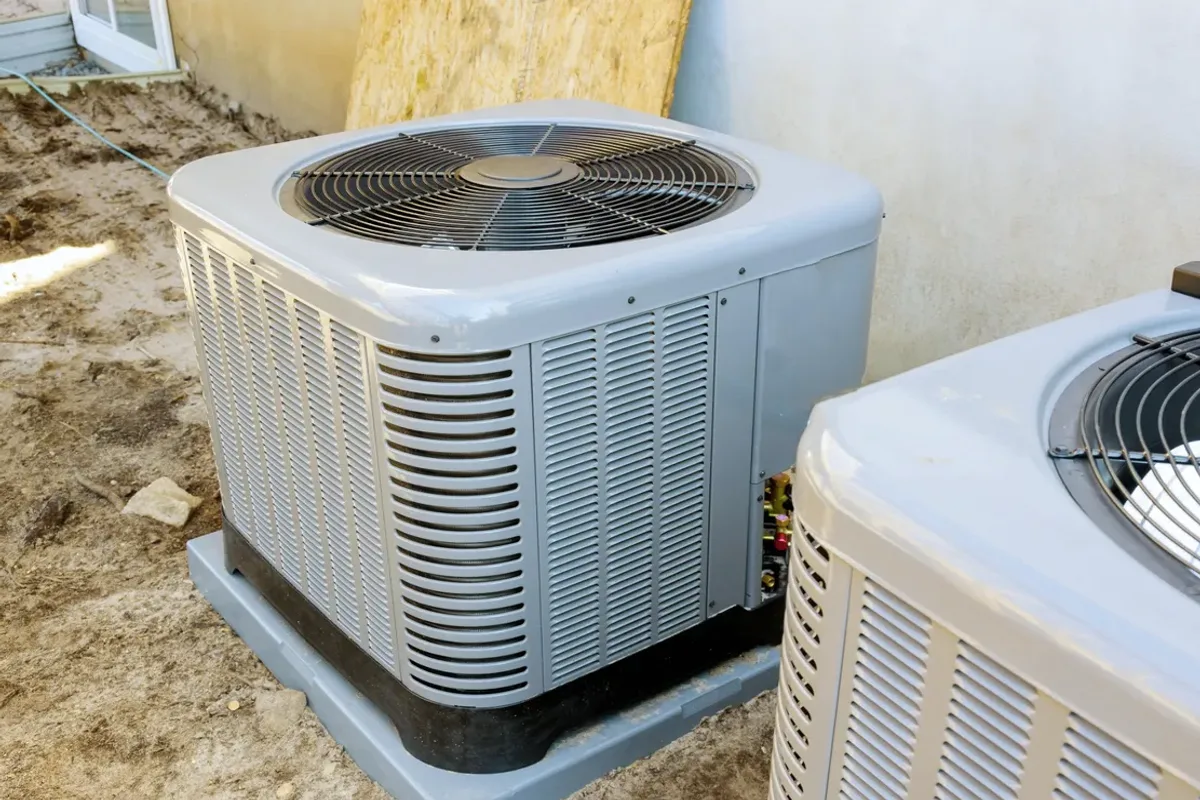
When cooling is weak, the system runs without reaching the thermostat setting, or the equipment will not start, the first task is to identify where operation breaks down. Central air conditioners, heat pumps, and ductless mini-splits have different layouts, but each requires checks matched to its model and controls. A capacitor or contactor fault may call for a component repair, while compressor or refrigerant-system findings can change the repair-versus-replacement discussion. Room humidity and airflow observations help describe the complaint without assuming its cause.
Assessment compares the thermostat demand with indoor and outdoor unit operation, airflow, and the fault history. Capacitor and contactor findings differ from compressor or refrigerant-circuit concerns, and the equipment type determines the relevant checks. Age alone does not settle repair or replacement; the condition of the unit, the specific fault, and compatible parts all inform that decision. Refrigerant and internal electrical work require service personnel.
Central air conditioner, heat pump, and mini-split service
Capacitor, contactor, compressor, and refrigerant faults
Repair or replacement based on inspection findings
Assessment and Scope
Questions for the Proposed Work
01
Check the operating sequence before replacing parts
A central air conditioner may fail to start because of a control, capacitor, or contactor issue, but similar symptoms can arise elsewhere in the system. Diagnosis should establish whether the thermostat is calling, whether indoor airflow is present, and whether the outdoor unit responds. For a heat pump or mini-split, operating mode and model-specific controls also matter. These observations help identify a component repair without assuming that every no-cooling complaint requires new equipment.
02
Treat compressor and refrigerant findings separately
A compressor concern has different implications from a failed electrical starting component, and refrigerant-circuit diagnosis requires appropriate equipment and model information. Findings should be considered with the unit's overall condition, service history, and the availability of compatible components. A repair may be reasonable when the fault is defined and the remaining equipment is serviceable. Broader deterioration or a major component failure can make replacement worth comparing, without relying on age alone.
03
Use room conditions as diagnostic evidence
If a room remains humid or warm, note whether the issue is limited to that space, follows long operating periods, or occurs throughout the home. Blocked airflow, system operation, thermostat placement, and equipment faults can produce overlapping symptoms. Those observations help direct inspection of a central system or a particular mini-split zone. They do not establish that the system is undersized or that a repair will produce a particular comfort or humidity result.
Compare the next step
Agree on who can provide indoor and outdoor access, answer questions about the symptoms, and accept a repair scope. Ask that diagnosis and any additional work be communicated to the authorized decision-maker. Keep the equipment record and previous invoices available rather than relying entirely on an occupant description.
Do not open electrical panels or handle refrigerant. If ice, water near electrical equipment, or abnormal operation is present, stop using the affected system and request an assessment.