Request furnace repair for a property in Ridgetown. Include the equipment, the problem or planned work, and your location so the request can be reviewed.
What should be checked when a gas, propane, or oil furnace stops heating?
A furnace that will not start, cycles off, or fails to warm rooms needs diagnosis before a part or replacement is chosen. The fuel matters: gas, propane, and oil equipment use different fuel-delivery and ignition components, while airflow and control faults can affect any forced-air system. Service planning should distinguish those possibilities using the model, fuel, fault history, and observed symptoms. A repair may suit a unit in serviceable condition; replacement is a separate decision based on its condition and compatibility with the home.
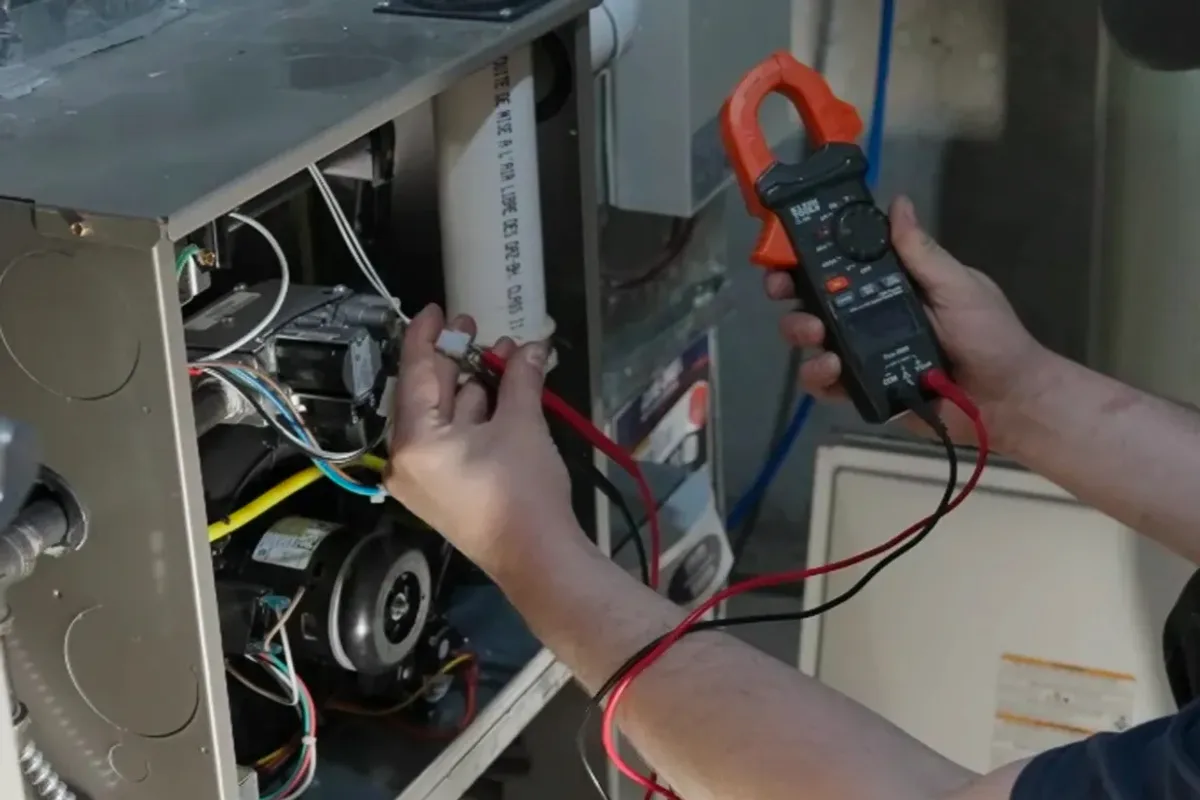
Diagnosis compares the thermostat call with the furnace response, then checks relevant controls, ignition or burner operation, airflow, and safety shutdowns. Fuel type and model guide which components can be assessed. Records of recent faults and any recurring shutdown help distinguish a repairable component issue from broader deterioration. Fuel, combustion, electrical, and safety-device work should be left to qualified service personnel.
Gas, propane, and oil furnace diagnosis
Ignition, burner, control, and airflow faults
Repair versus replacement based on condition
Assessment and Scope
Questions for the Proposed Work
01
Start with the fuel and failure sequence
For a gas or propane furnace, the diagnostic path includes the call for heat, ignition sequence, burner operation, and any control that stops firing. Oil equipment has different burner and fuel-delivery components, so its checks are not interchangeable with gas-furnace checks. The exact model and the point at which operation stops help narrow the scope. Do not open fuel or combustion components or repeatedly reset a unit that shuts down.
02
Separate furnace faults from airflow symptoms
A furnace may run yet leave rooms cold if a control, blower, filter, or air-distribution problem is limiting heat delivery. Observing whether the burners operate, whether the blower starts, and whether the issue affects all rooms provides useful diagnostic evidence. A furnace fault and a duct restriction call for different work, so airflow observations should be considered alongside the equipment response rather than treated as proof that a major component has failed.
03
Choose repair or replacement from condition
A repair decision depends on the failed component, the furnace's overall condition, and whether the required part and controls remain compatible with its model. Replacement becomes a separate consideration when inspection finds broader deterioration or the repair cannot reasonably restore safe operation. The service history and model information make that comparison more useful than age alone. A recommendation should explain the diagnosed fault and what a proposed repair would address.
Compare the next step
Give the contractor an occupant contact for observations and an owner contact for authorization. Ask how findings and approval requests will be recorded before repairs begin. Confirm access to the appliance and any service-agreement requirements so the person reporting no heat is not assumed to approve an unrelated replacement.
Leave burner, fuel, venting, electrical, and internal equipment work to a qualified contractor. Do not bypass a safety switch or repeatedly reset a furnace.