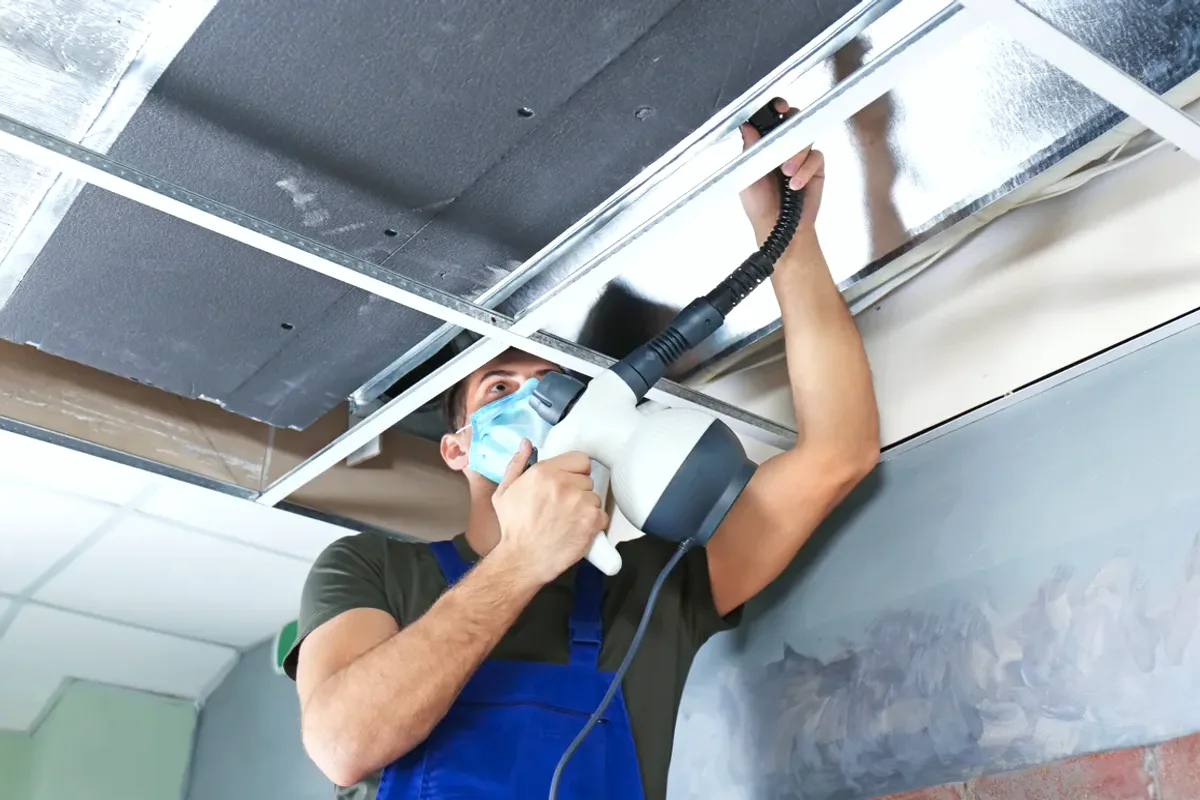
Request duct cleaning for a property in Ridgetown. Include the equipment, the problem or planned work, and your location so the request can be reviewed.
What findings help determine whether duct cleaning is appropriate for a forced-air system?
Duct cleaning is a specific ductwork service, not a routine response to every dusty room or uneven temperature. Visible debris in accessible ducts, construction residue, or material reaching registers can justify inspecting the affected runs and returns. The scope depends on the duct layout, access, and condition, including whether the system has multiple branches or returns. Airflow complaints also need assessment because a closed register, restriction, or equipment fault may require a different remedy from removing debris inside the ducts.
Assessment looks for visible debris, its location, the duct layout, access points, and whether contamination extends through supply branches or return ducts. It also considers reported airflow symptoms, which may stem from a restriction or equipment problem rather than general dirt. The cleaning method should contain loosened material and protect connected equipment. Inspection findings, not a fixed calendar interval, determine whether cleaning is warranted and how much ductwork is included.
Visible dust, pet hair, and construction debris
Supply runs, returns, access, and equipment protection
Inspection-led cleaning scope rather than fixed intervals
Assessment and Scope
Questions for the Proposed Work
01
Use inspection findings to define the need
Visible deposits, pet hair, or construction debris inside an accessible run can help establish whether cleaning is relevant. The amount and location matter: material near one register does not by itself show that every branch is affected. A musty smell or weak airflow is a reason to investigate, not proof that duct cleaning will resolve it. The inspection should distinguish debris inside ductwork from a filter, equipment, or airflow issue that needs separate attention.
02
Set the scope across supplies and returns
A useful scope identifies which supply branches, main runs, and return ducts are accessible and show evidence of debris. Older or altered duct layouts can include difficult access points that affect the work plan. Where ducts connect to a furnace or air conditioner, the method should account for those components and prevent dislodged material from entering them. The inspection should clarify any areas that cannot be reached or verified rather than implying complete coverage.
03
Contain debris and avoid automatic repeat cleaning
Cleaning methods should control loosened dust and debris so it is captured rather than dispersed into occupied rooms or equipment. Access openings, registers, returns, and connected components need consideration in the containment plan. Manufacturer instructions and inspection findings govern any maintenance of the HVAC equipment itself; duct cleaning does not automatically require system flushing or chemical treatment. Reassessment should be based on observable conditions and changes to the ductwork, not a universal schedule.
Compare the next step
Ask the owner to approve the documented cleaning reason, included components, and total scope. Confirm occupant access and property-protection arrangements, then agree on who reviews unexpected findings. Completion photographs and records should go to the responsible decision-maker so later maintenance can refer to the work actually accepted.
Routine cleaning is not automatically necessary and does not guarantee health or energy benefits. Resolve moisture sources and assess damaged materials rather than treating cleaning as the only remedy.